Daily Grab Zone
Bicycles, school bags, pet supplies, sports bags, and the items used on busy mornings should be visible and reachable without moving a car or unloading a pile.
Garage storage systems for Austin-area homes with bikes, bins, tools, sports gear, lawn equipment, and household overflow.
Garage storage is not just a wall full of shelves. The useful starting point is the household inventory that has to stay in the room after the project is finished: vehicles, outdoor equipment, sports bags, cleaning products, keepsakes, pet supplies, and everyday overflow.
We help Austin-area homeowners sort those categories into a storage plan that protects parking space and daily access. The goal is to get items off the floor without making the garage harder to use.
A storage-focused project can be simple or it can become the first phase of a larger makeover. Either way, the layout should respect the slab, door movement, appliances, attic access, vehicle doors, and the walking path into the home.
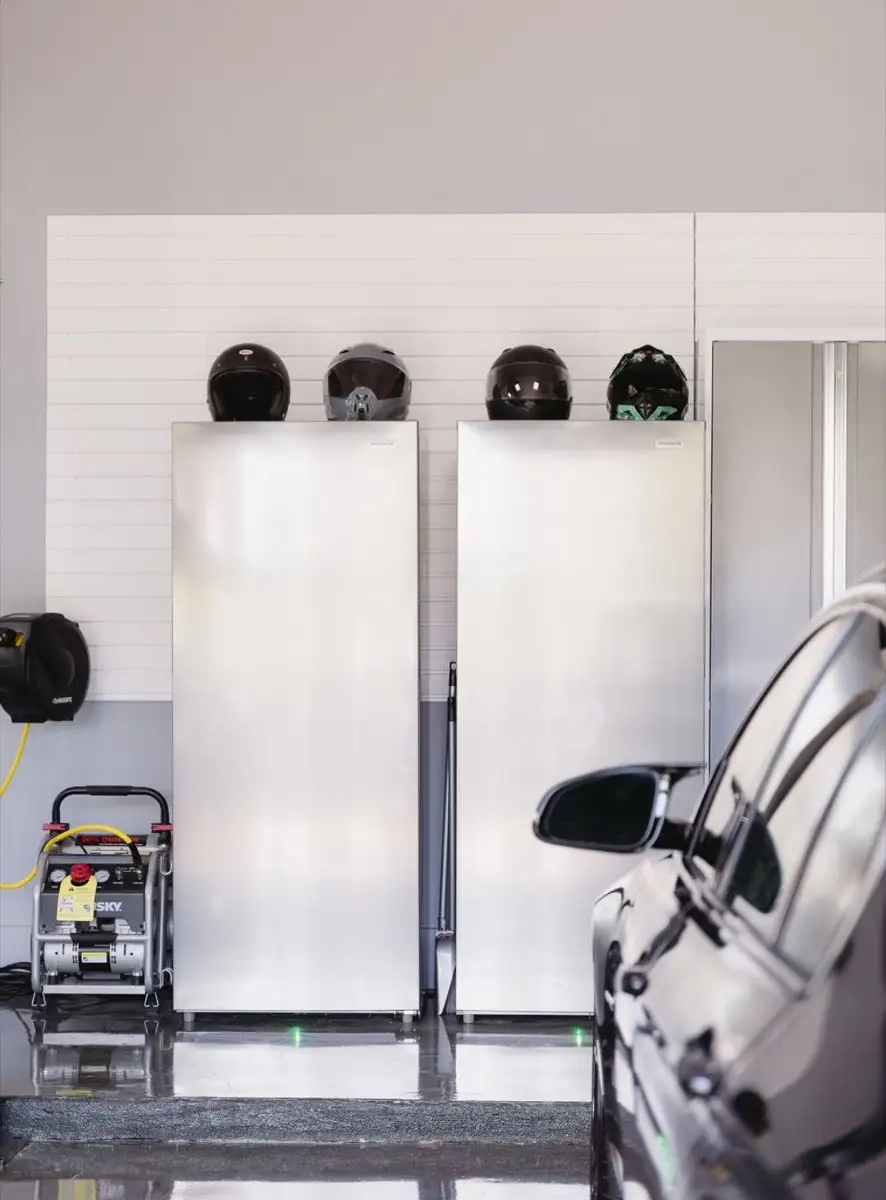
The best garage storage plan keeps everyday items easy to reach and moves occasional-use items out of the way.
Bicycles, school bags, pet supplies, sports bags, and the items used on busy mornings should be visible and reachable without moving a car or unloading a pile.
Small supplies, cleaners, paint, hardware, and repair items need labeled homes so they stop spreading across counters, corners, and cardboard boxes.
Holiday decor, luggage, camping equipment, and once-a-year containers should be separated from everyday items so they stop taking over the easiest reach points.
The storage plan should protect vehicle doors, mirrors, walking paths, garage door movement, and the route into the home before any rack or cabinet location is approved.
Items used several times a week should not be buried in a closed corner or lifted to a hard-to-reach spot. Bicycles, yard equipment, sports bags, extension cords, and cleaning tools need positions that match how often they come out.
Occasional items are different. Holiday containers, luggage, camping equipment, and keepsakes can live farther from the main path if they are labeled and placed where they can be handled safely. That keeps the open area available for parking and keeps the most-used items within a comfortable reach.
Before anything is installed, it helps to decide which areas should stay flexible. A growing family, a hobby shift, or a new vehicle can change the room. Adjustable zones and measured clearances make those changes easier.
Storage should lead the project when the garage floor is covered by bins, when parking has become difficult, or when the household keeps moving the same items from one corner to another. A focused storage plan can make the garage easier to use before a full remodel is needed.
The first visit should answer practical questions. Which car needs more clearance? Which items come down every morning? Which supplies should be hidden? What is too heavy to lift? What needs to stay away from children or pets? What can be stored high because it only comes down a few times a year?
Those answers guide the storage map. The right result is not a garage that is packed tighter. It is a garage where the open area comes back, the most-used items are easier to reach, and the room resets faster after busy weeks.
If a larger garage update may happen later, storage should be placed with that future work in mind. Fixed pieces should not block slab access, hide problem areas, or force expensive rework when the homeowner is ready for the next phase.
A simple keep, move, donate, and discard pass can make the layout more accurate. Items that no longer belong in the garage should not be designed around. Items that must stay should be grouped by how often they are touched, how heavy they are, and whether they need to stay away from heat, dust, pets, or children.
The clearest storage projects also protect a reset path. After a weekend project, a school week, or a trip, the homeowner should know exactly where each category returns. That is what keeps the room from sliding back into piles after the initial cleanup.
Good storage also respects the small details that make a garage comfortable to use. A trash bin may need to roll out without scraping a cabinet. A stroller, cooler, or golf bag may need a low landing spot near the home entry. Yard tools may need to hang where dirt and leaves can be swept up quickly. The layout should answer those ordinary routines before the wall is filled with hardware.
For many Austin-area homes, the strongest storage plan keeps the garage flexible. Seasonal bins can move overhead, daily tools can stay on a reachable wall, and closed cabinets can calm the view from the driveway. That balance gives the homeowner a cleaner room without turning every square foot into fixed storage.
Start with the items that cause the most daily friction. Some things need to be closed away, some need to stay visible, and some can move farther from the main path because they are used only a few times a year.
Yes. The layout should begin with vehicle size, door swing, mirrors, garage door movement, and the walkway into the home. Storage depth and placement should follow those clearances.
Make a quick list of what needs to stay in the garage, what should be hidden, what is used every week, and what is seasonal. Photos of the walls, ceiling, floor, and main clutter areas can help the conversation.
A short inventory makes the estimate conversation more useful. Count the large containers, note what is too heavy to lift, look at the items blocking vehicle doors, and decide which supplies should stay out of sight.
Photos help too. A clear view of each side of the room, the ceiling area, the door hardware, appliances, attic access, and the main clutter piles can show where organization can fit without crowding the room.
Call My Ultimate Garage to talk through the current mess, the must-keep items, and the clearances that need to stay open. The first step is a practical plan that fits the room you already use every day.